
Natural Nourishment for Urban Living
Explore how natural nutrients support daily vitality and adaptation to modern city life
Explore Information
Explore how natural nutrients support daily vitality and adaptation to modern city life
Explore InformationUnderstanding how modern city living affects daily vitality and energy management
City living presents unique patterns affecting daily energy and wellbeing:

Understanding the role of natural compounds in energy metabolism and adaptation

B-complex vitamins and vitamin C play crucial roles in energy production and stress adaptation:

Natural compounds from plants protect against oxidative stress from urban exposure:

Zinc, magnesium, and selenium are vital for metabolic function and adaptation:
How the body adapts to urban stress through biochemical mechanisms

The urban stress response involves complex biochemical adaptations:
Energy demand increases: High-stress environments accelerate energy metabolism, requiring consistent nutrient supply for ATP production.
Antioxidant depletion: Urban exposure (pollution, EMF) increases free radical production, requiring enhanced antioxidant intake.
Nervous system support: Sustained attention and processing demands require neurotransmitter precursors and cofactors.
Recovery cycles: The body requires proper nutrient availability for cortisol regulation and sleep quality restoration.
Natural nutrients provide the biochemical substrate for these adaptive mechanisms without pharmaceutical intervention.
Eight practical habits that support continuous energy and adaptation
Five compact exercises suited to small apartments or office environments

Quick, balanced meal approaches for busy urban schedules

Protein foundation: Eggs, legumes, fish, or poultry provide amino acids for sustained energy and neurotransmitter synthesis.
Vegetable component: Colorful vegetables supply antioxidants, minerals, and fiber for stable digestion and metabolic support.
Healthy fat inclusion: Nuts, seeds, olive oil provide omega-3 and omega-6 fatty acids supporting brain function and inflammation balance.
Complex carbohydrate base: Whole grains, legumes, or starchy vegetables provide sustained glucose release for consistent energy.
Preparation efficiency: Batch cooking on weekends enables quick weekday assembly without nutritional compromise.
View Information HubUnderstanding natural compounds studied for adaptation support
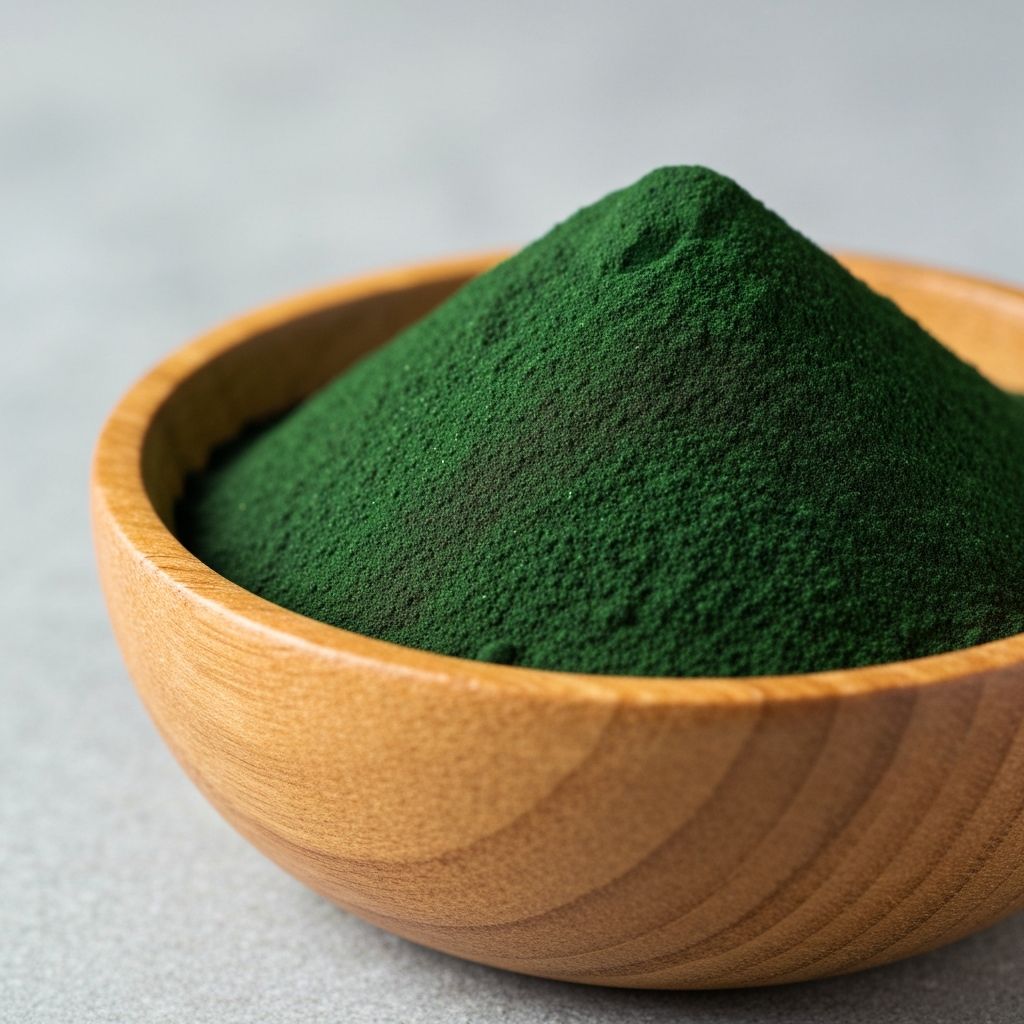
Blue-green algae concentrated in nutrients and plant proteins. Traditionally used in many cultures for daily vitality support.
Information only - not a medical treatment

Contains polyphenols studied for antioxidant properties. Historical use in Eastern wellness traditions for mental clarity and metabolic support.
Information only - not a medical treatment
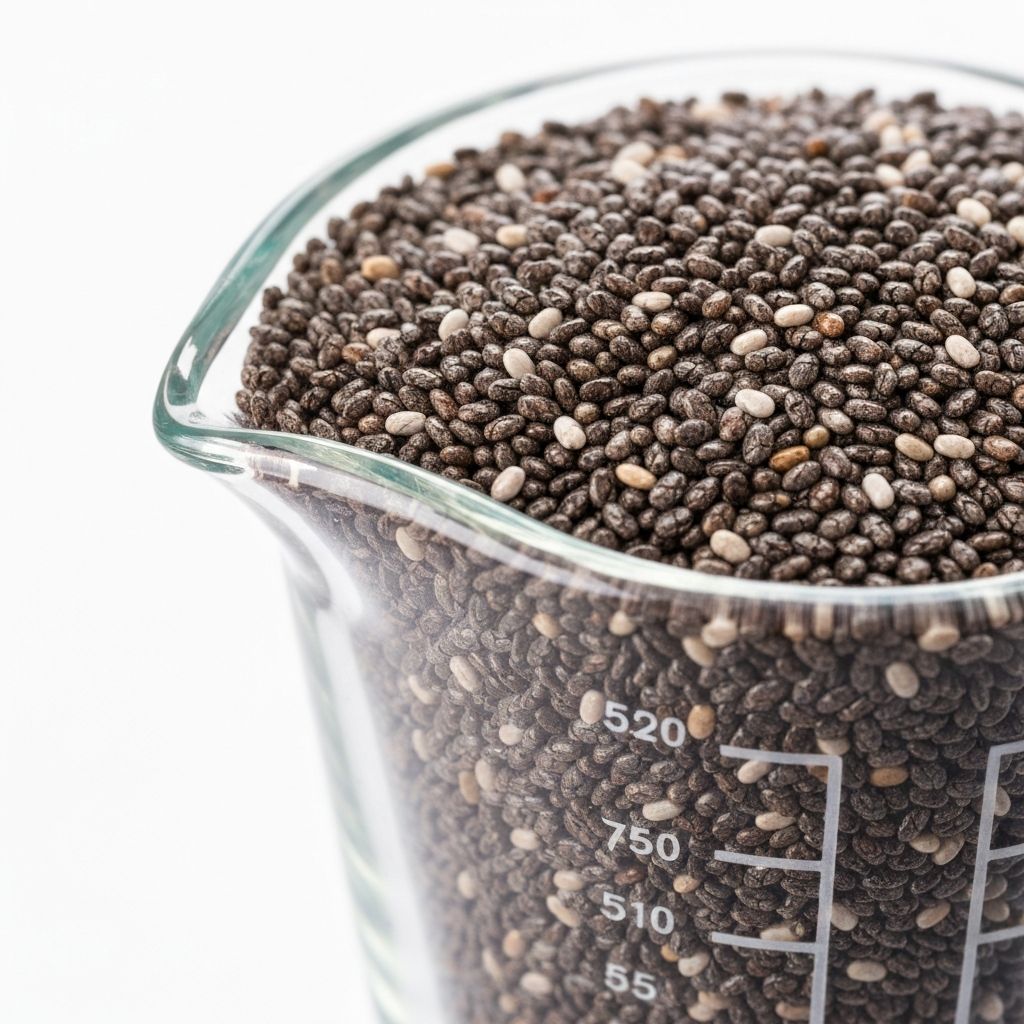
Rich in omega-3 fatty acids and fiber. Traditional food source offering diverse nutrient profile for sustained energy through the day.
Information only - not a medical treatment
Fact-checking misleading claims about nutrition and energy
Fact: Sustainable energy requires consistent nutrition patterns, adequate sleep, and regular movement. Single interventions cannot override fundamental lifestyle factors.
Fact: Energy and adaptation depend on nutrient synergy. Complex biochemistry requires diverse nutrient availability, not single high-dose interventions.
Fact: Optimal nutrient ranges exist for efficacy. Excess intake doesn't accelerate benefits and may reduce absorption or cause imbalance.
Fact: Nutritional support differs fundamentally from medical treatment. For diagnosed conditions, consult qualified healthcare providers.
Fact: Metabolic adaptation requires 4-12 weeks of consistent patterns. Cellular changes involve tissue turnover and gradual process optimization.
Fact: Genetics, lifestyle, stress levels, and health status create unique nutrient requirements. Personal assessment remains essential.
Neutral summaries of scientific investigation into natural compounds
B vitamins (B1, B2, B3, B5, B6, B12) function as coenzymes in ATP production and amino acid metabolism. Research indicates deficiency impairs energy production; supplementation in deficient populations restores metabolic efficiency. Optimal intakes derived from diverse whole foods rather than single high-dose supplementation.
EPA and DHA from fish and plant sources support neuronal membrane fluidity and neurotransmitter synthesis. Meta-analyses show correlation between adequate intake and cognitive performance; causation remains under investigation. Regular consumption from food sources shows consistent association with maintained cognitive function in aging populations.
Plant polyphenols (flavonoids, catechins) demonstrate free radical scavenging in vitro and in vivo studies. Urban environmental exposure increases oxidative burden; antioxidant intake from vegetables, fruits, and plant extracts shows inverse correlation with oxidative markers. Long-term supplementation studies show mixed results; whole food sources demonstrate consistent benefits.
Magnesium participates in 300+ enzymatic processes; nervous system function depends on adequate availability. Population studies show magnesium deficiency common in developed nations; supplementation improves sleep quality and stress-related markers. Individual absorption varies; food sources provide better bioavailability than certain supplement forms.
Important Notice: This website provides informational content about natural nutrients and urban wellness topics. It is not personalized health advice, medical diagnosis, treatment recommendation, or cure for any condition. Individual nutritional needs vary based on genetics, lifestyle, existing health conditions, and medications. Results from nutrition changes occur gradually through consistent implementation, not from single interventions or timeframes. Always consult qualified healthcare providers for individualized assessment and before making significant dietary changes, especially if you have existing health conditions or take medications. This site offers general education only.